
Our Services
Our Integrated Mining Services refer to a holistic approach to providing a wide range of services and solutions to the mining industry.
It involves offering a comprehensive suite of services that cover various stages of the mining lifecycle, from exploration and development to production, processing, and in the worst case scenario, mine closure.
+27 71 530 1113
+27 82 444 9946

Consulting Services
We offer a range of specialized expertise and support tailored to the unique challenges and requirements of the mining industry in South Africa.

Contracting Services
Our Contracting Services play a crucial role in supporting the efficient and safe operation of South African mines by providing specialized expertise, equipment, and manpower that is not always available in-house. This allows the mining company to focus on their core activities while outsourcing non-core functions to external specialists like IW Mining Services.

Training & Development
Training and Development Services provided to the South African Mining Industry aim is to enhance the skills, knowledge, and competencies of mine workers and management personnel. These services are essential for improving safety, productivity, and efficiency in mining operations.

Consulting Services
We offer a range of specialized expertise and support tailored to the unique challenges and requirements of the mining industry in South Africa.
Some common services provided by IW Mining Services to South African mines include:
Safety and Compliance Consulting:
Assistance with ensuring compliance with South African mining regulations and international safety standards, as well as implementing best practices to enhance worker safety and minimize operational risks.
Environmental Management
Guidance on environmental regulations and sustainable practices to minimize the environmental impact of mining operations, including water management, waste disposal, and rehabilitation of mined areas.
Geotechnical and Geological Services:
Expertise in assessing geological conditions, analysing ore deposits, and providing recommendations for optimal mining methods and site development to maximize resource extraction efficiency.
Operational Optimization:
IW Mining Services offer services to improve operational efficiency, reduce costs, and enhance productivity through process optimization, technology implementation, and organizational restructuring.
Risk Management:
Assessment and mitigation of operational, financial, and geopolitical risks that may impact mining operations, including market volatility, supply chain disruptions, and political instability.
Supply Chain Management:
Support in optimizing supply chain logistics, procurement processes, and vendor management to ensure the timely and cost-effective delivery of materials and equipment required for mining activities.

Research & Development
IW Mining Research and Development (R&D) Services provided to mines focus on innovation, technological advancement, and problem-solving to improve efficiency, safety, and sustainability in mining operations.
Overall, research and development services play a crucial role in driving innovation and technological advancement in South African mines, helping to enhance competitiveness, sustainability, and long-term viability in the mining industry.
Here are some examples of what our research and development services offer to South African mines:
Exploration and Geosciences Research:
Conducting geological surveys, mapping, and exploration to identify new mineral deposits and optimize resource extraction. This may involve the development of advanced geological modeling techniques, remote sensing technologies, and geophysical exploration methods.
Mineral Processing and Metallurgy Research:
Researching and developing new techniques for mineral processing and metallurgical extraction to improve recovery rates, reduce energy consumption, and minimize environmental impact. This can include research into flotation processes, leaching techniques, and hydrometallurgical methods.
Mine Planning and Optimization:
Developing advanced mine planning and optimization tools and methodologies to maximize ore recovery, minimize waste, and optimize mine design and scheduling. This can involve the use of computer modeling, simulation software, and data analytics to optimize mine layouts, production sequences, and equipment utilization.
Automation and Robotics:
Researching and developing automation and robotics technologies to increase efficiency, safety, and productivity in mining operations. This may include the development of autonomous vehicles, drones, and robotic systems for drilling, blasting, and material handling.
Safety and Risk Management Research:
Conducting research into safety technologies, risk assessment methodologies, and safety culture improvement strategies to reduce accidents, injuries, and fatalities in mining operations. This can involve the development of wearable sensors, real-time monitoring systems, and predictive analytics tools for identifying and mitigating safety risks.
Environmental Research and Sustainability:
Researching and developing technologies and practices to minimize the environmental impact of mining operations and promote sustainability. Included is research into water management techniques, mine reclamation methods, and pollution control technologies.
Energy Efficiency and Renewable Energy:
Researching and developing energy-efficient technologies and renewable energy solutions to reduce the carbon footprint and energy costs of mining operations. Research into renewable energy sources such as solar, wind, and hydropower, as well as energy storage and management systems is included.
Materials Science and Engineering:
Conducting research into advanced materials and engineering solutions to improve the durability, performance, and efficiency of mining equipment and infrastructure, as well as research into new materials for conveyor belts, drill bits, and protective coatings, as well as advanced manufacturing techniques such as 3D printing.

Specialist Contracting Services
Contracting services for South African mines encompass a wide range of specialized services outsourced to external companies or contractors like IW Mining Services to support various aspects of mining operations.
These services include:
Drilling and Blasting:
IW Mining provide drilling and blasting services for excavation and fragmentation of rock in both surface and underground mining operations.
Earthmoving and Excavation:
We offer equipment and manpower for earthmoving, excavation, and haulage of ore, waste rock, and overburden.
Plant Maintenance and Shutdown Services:
As a contractor we provide maintenance, repair, and shutdown services for processing plants, crushers, conveyors, and other equipment used in mining operations.
Civil Construction:
Civil engineering and construction services for building infrastructure, roads, dams, and other facilities required for mining operations.
Mechanical and Electrical Services:
We provide installation, maintenance, and repair services for mechanical equipment, electrical systems, and instrumentation used in mining operations.
Tailings Management:
IW Mining offer services for the design, construction, and management of tailings dams and facilities to store and manage mine tailings safely.
Pumping and Dewatering:
We provide pumps and dewatering equipment, as well as expertise in managing water inflows and groundwater control in underground mines.
Risk Management:
Our Contracting services offer surveying, mapping, and geospatial services to support mine planning, design, and monitoring activities.

Equipment Repairs
I W Mining and Consulting Services are capable of repairing various mining and ore handling equipment, such as Anfex loaders, pneumatic cylinders and pumps as well as winches.
It also involves the maintenance, servicing, and restoration of various machinery and equipment used in mining operations.
These repairs are essential for ensuring the safe and efficient functioning of mining equipment, minimizing downtime, and maximizing productivity.
Overview of what equipment repairs IW Mining offers:
Maintenance and Servicing:
Routine Inspections – Conducting regular inspections to identify any signs of wear and tear, damage, or malfunction in mining equipment.
Preventive Maintenance – Implementing scheduled maintenance routines to proactively address potential issues before they escalate, including lubrication, filter replacements, and component inspections.
Scheduled Servicing – Performing routine servicing tasks according to manufacturer recommendations to keep equipment operating at peak performance and extend its lifespan.
Repairs and Replacements:
Emergency Repairs – Addressing unexpected breakdowns or malfunctions promptly to minimize equipment downtime and production delays.
Component Replacements – Replacing worn-out or damaged components, such as hydraulic systems, bearings, belts, and electrical components, to restore equipment functionality.
Welding and Fabrication – Conducting welding and fabrication work to repair structural damage or reinforce equipment components.
Engine Overhauls – Performing comprehensive overhauls of engines and powertrain systems to ensure reliability and performance.
Troubleshooting:
Fault Diagnosis – Using diagnostic tools and techniques to identify the root causes of equipment issues accurately.
Troubleshooting – Analyzing equipment performance data and conducting systematic troubleshooting to pinpoint and resolve problems efficiently.
Condition Monitoring – Implementing condition monitoring systems to track equipment health and predict potential failures, allowing for proactive maintenance interventions.
Specialized Repairs:
Specialized Equipment – Repairing specialized mining equipment, such as drills, excavators, haul trucks, crushers, and conveyor systems, with expertise in their unique operational requirements.
Electrical and Electronic Repairs – Diagnosing and repairing electrical and electronic systems integral to mining equipment operation, including control systems, sensors, and instrumentation.
Hydraulic System Repairs – Servicing and repairing hydraulic systems used in mining equipment for power transmission, steering, and control.
Safety and Compliance:
Safety Standards – Ensuring that all equipment repairs adhere to industry safety standards and regulations to mitigate the risk of accidents or injuries.
Environmental Compliance – Adhering to environmental regulations when handling hazardous materials or waste generated during equipment repairs.
Documentation – Maintaining comprehensive records of equipment repairs, including work performed, parts replaced, and compliance with safety and regulatory requirements.
Continuous Improvement:
Feedback Mechanisms – Soliciting feedback from equipment operators and maintenance personnel to identify areas for improvement in equipment design, maintenance procedures, and repair practices.
Training and Development – Investing in training and development programs for maintenance staff to enhance their skills and knowledge in equipment repair techniques and technologies.

Training & Development
The Training and development services IW Mining Services provide to South African mines aim to enhance the skills, knowledge, and competencies of mine workers and management personnel. These services are essential for improving safety, productivity, and efficiency in mining operations.
Here are some training and development services we offer:
Safety Training:
Comprehensive safety training programs to educate mine workers about the hazards of mining operations, safety protocols, emergency procedures, and the proper use of personal protective equipment (PPE).
This includes training on mine-specific risks such as rockfalls, gas leaks, and underground fires.
Technical Skills Training:
Training programs to develop technical skills required for specific job roles within the mining industry.
This can include training on operating heavy machinery, using mining equipment, conducting geological surveys, and performing maintenance tasks.
Leadership and Management Development:
Training programs designed to develop leadership and management skills among supervisory and management personnel.
This includes courses on team building, conflict resolution, decision-making, and performance management.
Health and Wellness Programs:
Workshops and courses focused on promoting physical and mental well-being among mine workers. Topics include stress management, substance abuse awareness, nutrition, and exercise.
Environmental Training:
Training to raise awareness about environmental issues related to mining operations and educate workers about environmental regulations, best practices for environmental management, and the importance of sustainable mining practices.
Emergency Response Training:
Simulation exercises and drills to prepare mine workers to respond effectively to emergencies such as fires, explosions, cave-ins, and medical emergencies.
This includes training on evacuation procedures, first aid, and rescue operations.
Skills Development Initiatives:
Apprenticeship programs, internships, and on-the-job training opportunities to develop a pipeline of skilled workers for the mining industry.
This can also include partnerships with technical colleges, universities, and vocational training institutions.
Compliance Training:
Training programs to ensure compliance with relevant laws, regulations, and industry standards governing mining operations in South Africa.
This includes training on labour law, environmental regulations, health and safety standards, and mine-specific regulations.

Business Improvement Projects
This involves initiatives aimed at enhancing various aspects of your company’s operations to achieve greater efficiency, productivity, safety, and sustainability.
Here’s an outline of potential business improvement projects tailored for a mining companies:
Operational Efficiency:
Process Optimization: Analyzing and streamlining mining processes, such as drilling, blasting, hauling, and processing, to minimize waste, reduce costs, and improve overall efficiency.
Equipment Utilization: Implementing strategies to optimize equipment utilization rates, reduce idle time, and maximize the productivity of mining fleets and machinery.
Supply Chain Management: Improving supply chain logistics and procurement processes to ensure timely delivery of critical materials and reduce inventory holding costs.
Energy Efficiency: Identifying opportunities to reduce energy consumption through the adoption of energy-efficient technologies, optimized scheduling, and operational practices.
Safety and Risk Management:
Safety Culture Enhancement: Implementing initiatives to strengthen safety awareness, promote proactive hazard identification, and foster a culture of continuous improvement in safety performance.
Technology Integration: Leveraging advanced technologies such as drones, IoT sensors, and real-time monitoring systems to enhance safety monitoring, risk mitigation, and emergency response capabilities.
Training and Education: Investing in comprehensive training programs to equip employees with the necessary skills and knowledge to operate equipment safely, follow safety protocols, and respond effectively to emergencies.
Health and Wellness Programs: Introducing initiatives to support the physical and mental well-being of employees, including health screenings, ergonomic assessments, and stress management resources.
Environmental Sustainability:
Environmental Management Systems: Implementing environmental management systems (EMS) to monitor and mitigate the environmental impacts of mining operations, including water and air quality monitoring, biodiversity conservation, and rehabilitation efforts.
Resource Efficiency: Introducing measures to minimize water and energy consumption, reduce greenhouse gas emissions, and optimize waste management practices to enhance environmental sustainability.
Community Engagement: Strengthening relationships with local communities through transparent communication, stakeholder engagement initiatives, and sustainable development projects that contribute positively to community well-being and environmental stewardship.
Technology and Innovation:
Automation and Robotics: Exploring opportunities to automate repetitive tasks, enhance precision, and improve safety through the adoption of autonomous mining equipment and robotic systems.
Data Analytics: Harnessing the power of data analytics and machine learning algorithms to optimize mine planning, resource allocation, equipment maintenance, and production forecasting.
Digital Twin Modeling: Creating digital twin models of mining operations to simulate scenarios, optimize processes, and facilitate decision-making for improved performance and efficiency.
Remote Monitoring and Control: Implementing remote monitoring and control systems to enable real-time visibility and management of mining operations from centralized control centers, improving responsiveness and decision-making.
Stakeholder Engagement and Collaboration:
Partnerships and Alliances: Collaborating with industry peers, technology providers, government agencies, and research institutions to share best practices, access new technologies, and address common challenges collaboratively.
Supplier Diversity Programs: Promoting supplier diversity and inclusion initiatives to support local economies, foster innovation, and enhance supply chain resilience.
Investor Relations: Enhancing transparency and accountability in corporate governance practices, environmental and social responsibility reporting, and stakeholder engagement efforts to build trust and attract investment.
Performance Metrics and KPIs:
Performance Metrics and KPIs: Establishing clear performance metrics and key performance indicators (KPIs) to monitor progress, identify areas for improvement, and drive accountability across the organization.
Continuous Learning Culture: Encouraging a culture of continuous learning, innovation, and knowledge sharing among employees through training programs, cross-functional collaboration, and recognition of achievements.
Lean Six Sigma Initiatives: Applying lean six sigma methodologies to systematically identify process inefficiencies, eliminate waste, and improve quality, reliability, and consistency in mining operations.
Overview:
Each of these business improvement projects can be tailored to address specific challenges and opportunities within the mining company, aligning with its strategic objectives and priorities for sustainable growth and competitive advantage.
Equipment Supply
Equipment supply involves the provision of various types of machinery, tools, and resources necessary for conducting mining operations efficiently and safely and what equipment supply entails:
Procurement and Sourcing:
Identifying Equipment Needs: Collaborating with mining engineers and operations managers to assess equipment requirements based on project specifications, production targets, and geological conditions.
Supplier Selection: Researching and evaluating potential suppliers of mining equipment based on factors such as product quality, reliability, pricing, after-sales support, and delivery capabilities.
Negotiation and Contracts: Negotiating favorable terms and conditions with equipment suppliers, including pricing, warranties, maintenance agreements, and delivery schedules, and formalizing contracts to ensure clarity and accountability.
Quality Assurance:
Implementing quality assurance processes and performance metrics to monitor supplier performance, identify areas for improvement, and ensure the delivery of high-quality equipment and services.
Logistics and Supply Chain Management:
Inventory Management: Managing inventory levels of critical spare parts and consumables to minimize stockouts, downtime, and production disruptions.
Transportation and Delivery: Coordinating the transportation and delivery of equipment from suppliers to mine sites, optimizing logistics routes, and ensuring timely arrivals to support project timelines.
Customs and Import/Export Compliance: Handling customs clearance, import/export documentation, and regulatory compliance requirements for international shipments of mining equipment across borders.
Warehousing and Storage: Providing warehousing and storage facilities for holding equipment inventory and spare parts in proximity to mine sites, ensuring accessibility and rapid deployment as needed.
After-Sales Support and Maintenance:
- Installation and Commissioning:
- Training Programs:
- Maintenance Services:
- Technical Support:
Equipment Categories:
Heavy Machinery: Providing a range of heavy-duty equipment essential for mining operations, including excavators, haul trucks, loaders, bulldozers, and drilling rigs.
Processing Equipment: Supplying machinery for ore processing and beneficiation, such as crushers, screens, conveyors, grinding mills, flotation cells, and magnetic separators.
Safety Equipment: Furnishing personal protective equipment (PPE), safety gear, and safety systems to ensure the well-being of mining personnel and compliance with regulatory requirements.
Support Equipment: Offering ancillary equipment and tools needed to support mining activities, such as generators, pumps, compressors, lighting systems, and material handling equipment.
Technology Solutions: Providing advanced technologies and software solutions for mine planning, fleet management, asset tracking, monitoring, and optimization to improve operational efficiency and productivity.
Technology Evaluation:
Continuously evaluating new technologies, innovations, and advancements in mining equipment to stay abreast of industry trends and opportunities for enhancing operational efficiency and competitiveness.

Project Management
IW Mining Services Project Management involves overseeing the planning, execution, and control of mining projects to ensure they are completed on time, within budget, and according to quality and safety standards.
Here’s an overview of what our project management services entail:
Project Planning:
Feasibility Studies: Conducting feasibility studies to assess the viability of mining projects, including evaluating geological, technical, financial, environmental, and regulatory factors.
Scope Definition: Clearly defining project objectives, deliverables, timelines, and resource requirements in collaboration with stakeholders to establish a baseline for project planning.
Risk Assessment: Identifying and analyzing potential risks and uncertainties associated with the project, including geological risks, regulatory risks, market risks, and operational risks.
Health, Safety, and Environmental Management:
Safety Planning: Developing comprehensive health and safety plans, policies, and procedures to mitigate risks, prevent accidents, and ensure compliance with occupational health and safety regulations.
Environmental Compliance: Implementing environmental management plans and mitigation measures to minimize the impact of mining activities on the environment, including land reclamation, water management, and biodiversity conservation efforts.
Emergency Preparedness: Establishing emergency response plans and protocols to address potential emergencies, such as natural disasters, accidents, or environmental incidents, and ensure the safety and well-being of project personnel and surrounding communities.
Schedule Management:
Project Scheduling: Developing comprehensive project schedules and timelines, incorporating all project activities, milestones, dependencies, and critical paths to facilitate effective resource allocation and progress tracking.
Progress Monitoring: Monitoring project progress against the established schedule, identifying deviations or delays, and implementing corrective actions to mitigate risks and keep the project on track.
Schedule Optimization: Analyzing schedule constraints and optimizing resource allocation, sequencing, and workflow processes to minimize project duration and maximize efficiency without compromising safety or quality.
Quality Assurance and Control:
Quality Management Systems: Implementing quality management systems and procedures to ensure that project deliverables meet or exceed specified quality standards and regulatory requirements.
Inspection and Testing: Conducting regular inspections, testing, and quality assurance audits of work activities, materials, and equipment to identify defects, non-conformities, and opportunities for improvement.
Continuous Improvement: Encouraging a culture of continuous improvement by soliciting feedback from stakeholders, analyzing performance data, and implementing corrective and preventive actions to enhance project outcomes.
Stakeholder Engagement:
Communication Management: Establishing effective communication channels and protocols to facilitate timely and transparent communication among project stakeholders, including investors, government agencies, local communities, and regulatory authorities.
Community Relations: Engaging with local communities and stakeholders to address concerns, build trust, and foster positive relationships through community outreach programs, stakeholder consultations, and social responsibility initiatives.
Conflict Resolution: Resolving conflicts and disputes that may arise among project stakeholders through mediation, negotiation, or other conflict resolution techniques to maintain project momentum and alignment with project objectives.
Resource Management:
Human Resources: Recruiting, selecting, and assigning qualified personnel with the necessary skills and experience to execute project tasks effectively, including mining engineers, geologists, technicians, and support staff.
Equipment and Materials: Procuring and managing the supply of equipment, materials, and consumables required for project operations, ensuring timely delivery and optimal utilization to meet project milestones.
Budgeting and Cost Control: Developing project budgets, tracking expenditures, and implementing cost control measures to monitor project costs, minimize variances, and ensure financial accountability.
Latest Projects

Underground Reclamation Services & Drop Raise Training

Long Hole Drilling, Development & Stoping
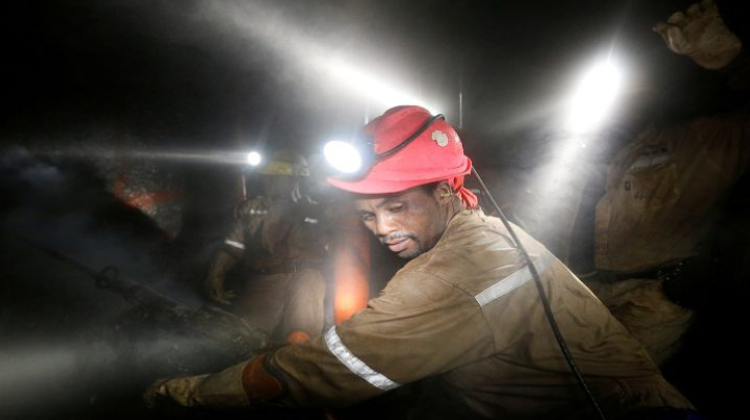
Face Advance Improvement Project – Drill & Blast
Our Clients



Contact Us
Address
Stand 466, Hexriver Lifestyle Estate, Arnoldistad Road, Waterval, Rustenburg, North West Province, South Africa
Phone
+27 71 530 1113
+27 82 444 9946